Glossary
A
Additive
Something that is added to improve performance. Ingredients mixed into adhesive to improve flexibility, strength, heat resistance, and/or stability.
Adhesion
The ability of one thing to stick to another. How well the glue sticks to the substrate (cardboard, plastic, paper, etc.)
Adhesive
A substance for bonding, affixing, or holding things together. The glue used to bond substrates like paper, plastic, and cardboard.

Adhesive Failure
When the glue doesn’t stay stuck. The bond separates at the surface, the adhesive lets go, rather than fiber tear occurring.
Ambient Temperature
The temperature of the air around you. The normal temperature of the environment where the adhesive is applied or stored.
Application Rate
How much is used. The amount of adhesive applied per unit (per box, per inch, etc.)
Application Temperature
The temperature that the adhesive must reach before it can be properly applied on a packaging line.
Assembly Time
The time you have to put things together. The total working time between adhesive application and compression.
B
Bead
A line or small blob of glue. The shape adhesive is applied in, like a string or dot.

Blistering
A bubble or raised spot. Air or moisture trapped between layers (like in laminated packaging operations) causing bubbles to appear.

Bond
When two things stick together. The connection formed by the adhesive between surfaces.
Bond Line
The line where two things are glued together. The thin layer of adhesive between two bonded surfaces. It’s thickness affects strength.
Bond Line Thickness
How thick the glue layer is. The thickness of adhesive between materials, too thick or thin can reduce performance.
Bond Strength
How strong something is when held together. The amount of force that it would take to pull two glued-together surfaces apart.
C
Carbon Footprint Reduction
Lowering the amount of pollution or emissions created. Using adhesives that require less energy or create less waste to reduce environmental impact.
Carton Closing
Sealing a box shut. The process of applying adhesive to close corrugated boxes on a packaging line.

Catalyst
A substance added in small amounts to an adhesive to speed up its cure time.
Cement
Another word for glue, sometimes can be used interchangably with “adhesive.”
Char
Burned material build-up. Burnt adhesive that builds up inside tanks or hoses when glue sits at high-temperatures for too long.

Cohesion
The ability of something to hold itself together. How strong the adhesive is internally to itself. If cohesion is weak, the glue may tear within itself.
Cohesive Failure
Something breaks within itself. The adhesive stays stuck to both surfaces, but the glue splits interally.
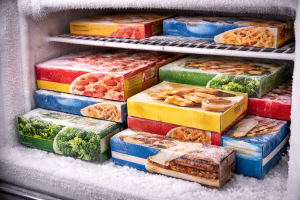
Cold Performance
How something performs in cold storage. Whether the adhesive will hold properly in refrigerators and/or freezers.
Compression
Pressing two things together firmly. The pressure applied to two surfaces after glue application. Compression helps the adhesive spread evenly, remove air gaps, and create a strong bond. Without enough compression, even the best adhesive may fail.
Compression Time
How long pressure needs to be applied for the adhesive to bond properly.
Contact Adhesive
Glue that sticks as soon as two surfaces touch. Applied to both surfaces and then pressed together for an immediate bond.
Contamination
Dirt or unwanted material. Dust, oil, or moisture on a surface that prevents proper bond formations.
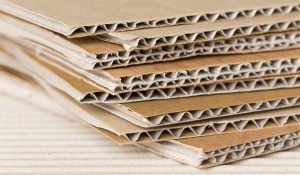
Corrugated Box
A durable shipping and packaging container made from multiple layers of paperboard: a wavy, fluted medium sandwiched between two flat linerboards. This three-layer, structural design provides significant strength, cushioning, and insulation, making it ideal for protecting goods during transit, storage, and handling.
Cost of Use
The total cost to operate something. The true cost of an adhesive including energy, waste, downtime, and maintenance; not just cost per unit.
Coverage
How much area something covers. How much surface area a certain amount of adhesive will bond.
Cure Temperature
The ideal temperature for the maximum cure to take place in a specific adhesive.
Cure Time
How long the glue takes to finish hardening. The total time it needs to reach full strength after application.
Curing
The hardening process of glue. How the adhesive changes from soft to hard and gains strength. Different glues have different curing processes.
Cyanoacrylate Adhesive (CA)
Fast-acting super glue. A high-strength adhesive that bonds very quickly when moisture is present.
D
Delayed Cut-off
When adhesive continues flowing from the application nozzle after it should have stopped, often causing stringing.
Dwell Time
The time something waits before moving on to the next process step. The time required for an adhesive to develop the ultimate bond strength to the substrate dependent on conditions.
E
Edge Lifting
When one or more of a label’s outer edges lifts away from the substrate, indicating adhesive or application failure.

Emulsion
An acylic polymer adhesive that is suspended in water. Used for insulation seaming tapes and beverage labels, can offer good heat and chemical resistance.
End-of-Line (EOL) Adhesive
Adhesive used at the end of a process. Often adhesives used in the final stages of packaging, typically for case and carton sealing.
Epoxy Adhesive
A two-part adhesive that makes a strong bond. A structural adhesive with a resin part and a hardener part that cures at room temperature or with heat.

EVA (Ethylene Vinyl Acetate)
A type of plastic material. A common hot melt adhesive chemistry formulation used for packaging and box sealing.
F
Fiber Tear
The surface material rips. When corrugated box fibers tear before the glue bond fails, this means the bond is strong. If the glue bond fails before the corrugated box fibers tear, the bond is weak.
Final Cure
Fully finished or hardened. When the adhesive reaches its maximum strength after cooling or drying.
Flash Time
The short time after adhesive application when solvents or water begin to evaporate before bonding.
Foaming
When bubbles form in a liquid. Air trapped in an adhesive during pumping or application can form bubbles and weaken bonds.
Fugitive Glue
A technical term for what is commonly known as “credit card/gift card glue.” It is a unique formulation that does not leave behind any residue when removed. Commonly used on credit cards, gift cards, and promotional materials like flyers or coupons.
G
Gap Filling
Filling the space, or gap, between two objects. The ability of an adhesive to bond materials that are not perfectly flat/flush.
Green Strength
Early strength before fully curing. The initial holding strength of an adhesive right after application.
H
Heat Resistance
The ability to withstand extreme temperatures. How well a bond holds when exposed to high heat during storage or transport.
Heat Stability
The ability to handle heat without breaking down. How well an adhesive holds up when kept in hot tanks for long periods of time.
High-Speed Line
Machinery running very fast. Often packaging equipment running high case counts per minute requiring a faster-setting adhesive.
Hot Melt Adhesive
Glue that melts when heated. A 100% solid adhesive applied in molten form that creates a bond as it cools.
Hot Tack
Stickiness while still hot. The bond strength of a hot melt adhesive before it fully cools.
Humidity
Moisture in the air. Air moisture can affect the curing, drying, and bonding strength of an adhesive.
I
Impact Glue
A strong contact glue used for heavy materials. A type of contact adhesive that bonds upon touch and resists shear forces.
J
K
L
Lamination Adhesive
Lamination is a process that uses adhesives, heat, and pressure to permanently bond two or more layers of materials (such as films, foils, paper, or fabrics) together to enhance strength, create barriers, or improve functionality. It commonly involves passing materials through rollers to apply adhesives, creating durable, multi-layered composites.
Low-Temperature Hot Melt
Hot melt glue that can be applied at a lower heat. Hot melt adhesive formulated to run at lower temperatures to reduce energy consumption and char buildup.
M
Melting Point
The temperature at which a hot melt becomes liquid and usable for applications.
Metallocene
A specific advanced chemical structure. A newer hot melt adhesive formulation technology known for cleaner running and better performance stability.
Moisture Content
How much water is inside something. The amount of moisture in corrugated board or substrate, which can affect bonding.
N
Nozzle
A small tip opening where the adhesive exits the application gun.
O
Open Time
How long something stays usable. The time adhesive remains tacky enough to form a bond after it’s applied.
P
Peel Strength
How hard it is to peel something off. The force needed to pull or peel one bonded surface away from another at an angle.
Penetration
How deeply an adhesive flows/soaks into a porous material (like corrugated board).
Porosity
How many tiny holes a material has in it. Porous materials absorb adhesives differently than coated or plastic surfaces.
Pot Life
How long something stays usable after mixing. For two-part adhesives, how long the mixed material remains workable before it hardens.
Pressure Sensistive Adhesive (PSA)
Glue that sticks and holds with just pressure, no heat or water needed. Used for tapes and labels to push onto substrate and stick.
Pump Pressure
Force applied to move liquid within a pump system. The pressure pushing adhesive from the tank through hoses to the gun.
PUR (Polyurethane) Adhesive
Formulation of adhesive that was invented in the 1930s as a rubber alternative. Commonly used in airplane finishes and packaging due to flexibility and strength.
Q
R
Recyclability
The ability to be properly recycled. Adhesives that allow packaging matierials to be processed correctly in recycling systems.
Rework
Fixing something that didn’t end with the right results. Boxes or products that must be resealed due to bond failure.
RTV Silicone
Stands for room temperature vulcanizing silicone. Vulcanizing refers to a process that gives the adhesive desireable properties, such as flexibility and tear resistance. Common use is sealants that are sprayed or brushed on.
S
Set Time / Set Speed
Time needed to firm up. How long it takes the adhesive to form a bond and hold the surfaces together.
Shear Strength
Resistance to a sliding force. The ability of a bond to resist forces pushing the materials in opposite directions sideways.
Shelf Life
How long something can be stored before expiration. The length of time an adhesive can be stored before it’s performance may begin to decline when used.
Skinning
A thin layer forming on the surface. When an adhesive begins drying on its own before forming bonds with the substrate or being compressed, which can weaken the bond.
Solids / Solids Content
The remaining adhesive after liquid evaporates from the formulation. In water-based adhesives, the percentage of actual bonding material left after the water dries.
Solvent
A liquid that helps dissolve or carry adhesive. Used in some adhesives to help them flow, then evaporates away.
Stringing
Thin strands stretching between surfaces. Fine threads of adhesive that form when glue does not cut off cleanly at the nozzle/gun.

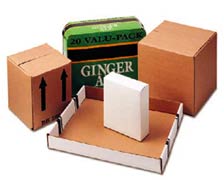
Substrate
The surface being worked on. The material that is being bonded together with adhesives. Examples include corrugated board, plastic, film, paperboard, metal, etc.
Substrate Temperature
The temperature of the surface being glued. If the material is too cold or too hot, it can affect bonding performance.
Surface Energy
How easily a surface allows something to spread across it. High surface energy materials, like paper, bond with adhesives easily. Low surface energy materials like plastics, like polyethylene, are harder to bond with.
Surface Preparation
Getting something ready before use, typically cleanng or treating a surface before adhesive application to improve bonds.
T
Tack
The stickiness or ability of an adhesive to immediately affix itself to a substrate.
Tackifier
A chemical that makes glue stickier, added in many adhesives to increase initial hold.
Tensile Strength
Resistance to pulling force. The ability of a bond to resist being pulled straight apart.
Thermal Degradation
Breakdown of material from too much heat exposure. When adhesive chemistry begins to weaken due to prolonged high-temperature exposure.
Thermal Shock
Sudden temperature change. Rapid temperature shifts that can stress and weaken a bond.
Thermoplastic
A material that softens with heat and hardens when cool. Hot melts are a variety of thermoplastics that melt, bond, and re-harden.
Transfer
Moving from one surface to another. When adhesive properly transfers from the nozzle to the substrate during application, it has good transfer.
U
V
Viscosity
How thin or thick a liquid is. How easily the adhesive flows through equipment and onto a substrate. High viscosity = thick, low viscosity = thin.
W
Wash-off Adhesive
Glue that has the ability to be washed away. Adhesive designed to release labels during recycling processes.
Water-based Adhesive
Glue that uses water instead of heat to bond to substrates. Adhesive that dries as water evaporates, commonly used in labeling and lamination.
Water-white Adhesive
Very clear in color. A high-clarity adhesive used when the appearance of the adhesive is important.
Wet Tack
Stickiness before drying. How well a water-based adhesive holds before the water fully evaporates.
Wetting
How well a liquid spreads across a surface. In water-based adhesives, means that the adhesive spreads properly and bonds effectively.
X
Y
Z